
In the world of construction, manufacturing, and everyday DIY projects, screws play a crucial role in holding materials together securely. The proper selection of screws not only ensures the stability and durability of assemblies but also impacts the efficiency and quality of workmanship. Understanding the different types of screws available in the market is vital for professionals and hobbyists alike. This article provides an in-depth look at the main types of screws currently used across industries.
Screws come in a wide variety of shapes, sizes, and materials, each designed to serve a specific purpose. Typically, screws are categorized based on their head type, thread design, drive style, and application.
### Head Types
One of the first things to consider when selecting a screw is its head type. The head shape affects how the screw sits on or beneath the surface of the material.
- **Flat Head Screws (Countersunk):** Designed to sit flush with the surface, flat head screws are ideal where a smooth finish is necessary. These screws taper toward the shank and sink into the material, making them common in woodworking and cabinetry.
- **Pan Head Screws:** Featuring a slightly rounded, flat-topped head, pan head screws sit above the surface and provide a clean appearance. They are widely used in metalworking and electrical applications.
- **Round Head Screws:** With a dome-shaped top, these screws project above the surface, providing a smooth, rounded finish. They are often used in applications where the screw head needs to be visible.
- **Hex Head Screws:** Equipped with a hexagonal head, these screws are driven using a wrench or socket. Hex head screws offer greater torque and are typically used in heavy-duty construction and machinery.
- **Button Head Screws:** These have a low-profile rounded head and are appreciated in applications requiring aesthetic appeal combined with moderate holding strength.
### Thread Types
Threads on screws not only provide grip but are tailored to specific materials and uses.
- **Coarse Threads:** These have fewer threads per inch and are designed for soft materials such as wood or plastic. Their larger pitch helps in fast insertion and better grip.
- **Fine Threads:** With more threads per inch, fine threads offer higher tensile strength and are used for harder materials like metal. They provide better resistance to vibration but require careful alignment.
- **Self-Tapping Screws:** These threads can cut their own mating thread into materials. They are widely used in metal and plastic where pre-drilling holes is minimized.
- **Machine Screws:** Featuring uniform threads designed to mate with a tapped hole or nut, these screws are common in machinery and electronic equipment.
### Drive Styles
The drive style determines how the screw is turned and affects the tools required.
- **Slotted Drive:** One of the oldest styles, featuring a single straight slot across the head. Though simple, slotted screws are more prone to cam-out and are less favored in professional settings.
- **Phillips Drive:** Cross-shaped slots that provide better grip and reduce cam-out. Phillips screws are extensively used in a variety of industries.
- **Pozidriv Drive:** Similar to Phillips but with additional contact points, pozidriv screws offer improved torque and control.
- **Torx Drive:** Star-shaped drive providing excellent torque resistance without cam-out, widely preferred in automotive and manufacturing sectors.
- **Hex Drive:** Used for hex head screws, these require a wrench or hex key and provide strong torque transmission.
### Specialized Screws
Beyond standard screw types, certain screws are engineered for specific applications.
- **Drywall Screws:** Designed with coarse threads and bugle-shaped heads, these screws firmly hold drywall panels in place on wooden or metal studs.
- **Deck Screws:** Typically made with corrosion-resistant coatings, deck screws have sharp threads for wood and outdoor environments.
- **Sheet Metal Screws:** Often self-tapping, sheet metal screws fasten thin metal sheets efficiently without pre-drilling.
- **Security Screws:** These feature unique drive designs to prevent tampering, often used in public installations.
---
### Commitment to Quality and Precision in Fastener Products
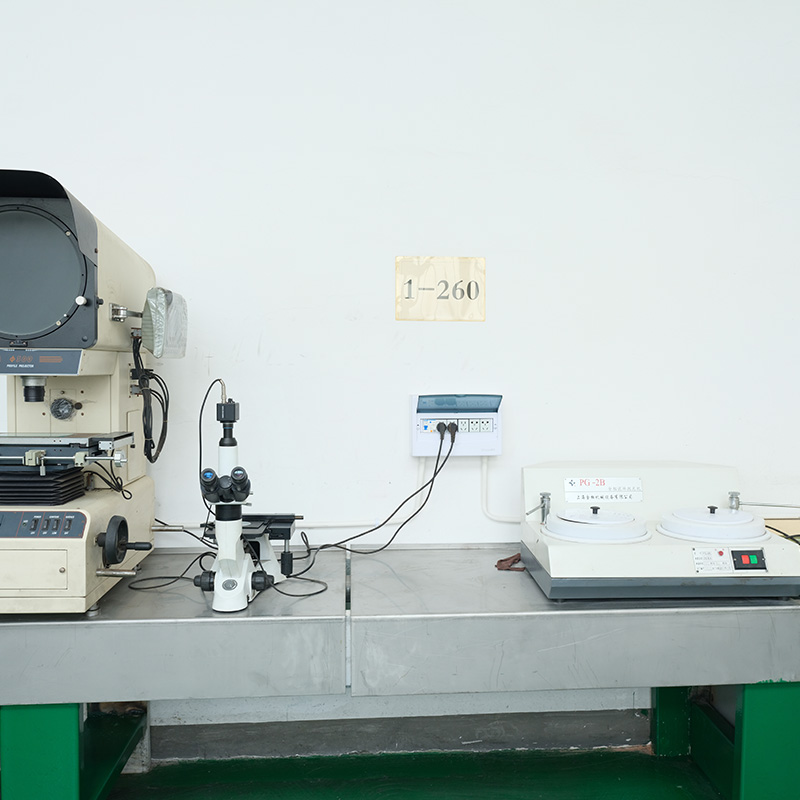
Choosing the right fastener means also trusting in the quality and reliability of the product. Companies that manufacture and supply fasteners uphold strict standards to meet these needs. Ningbo Cityland Fastener Co., Ltd. stands out in this regard.
Since its establishment, Ningbo Cityland Fastener Co., Ltd. has been dedicated to providing customers with high-quality, high-precision fastener products. With a comprehensive product system in place, the company offers an extensive range of bolts, nuts, and other fastener products designed to meet the diverse demands of multiple industries. Their commitment to precision craftsmanship ensures that each screw or bolt delivers reliable performance, contributing to the overall integrity of the projects in which they are used.
Their product range not only matches international standards but also caters to specific customer requirements with tailored solutions. By integrating advanced manufacturing technology and stringent quality control measures, Ningbo Cityland has built a reputation as a trusted partner for clients worldwide.
---
### Conclusion
Understanding the types of screws and their appropriate applications is essential for anyone involved in construction, manufacturing, or repair work. From the shape and material of the screw to the thread design and drive style, each factor influences the performance and longevity of the fastening solution.
Coupled with high-quality fastener providers that prioritize precision and durability, such as Ningbo Cityland Fastener Co., Ltd., professionals and enthusiasts can confidently select the right screws for their projects. Whether it’s for heavy machinery, delicate electronic assemblies, or home improvements, the right screw, combined with quality manufacturing, ensures secure, lasting results.